POWERPOINT® PRESENTATIONS
— WORLD HISTORY
Produced by MULTIMEDIA LEARNING LLC
Herschel Sarnoff and Dana Bagdasarian
Standards-based, technologically integrated classroom ready units. Each unit includes
primary source photographs, audio, short movie clips (selected units only), graphs, charts,
maps, quotations, speeches, political cartoons, and art. |
|
|
|
Fertile
Crescent |Ancient
Egypt | Aegean
Civilizations | Ancient
Rome | Medieval
Europe | The Black Death |
India and Southeast Asia
Africa | Mesoamerica | Islamic
Civilization | China | The
Renaissance | The Early Modern Period | Age
of Exploration Conquest of Mexico | The Enlightenment | The
Industrial Revolution | French
Revolution | European
Imperialism
European Nationalism | World War I | Europe Between the Wars | World War II
The Modern Era: 1945-1970 | The Modern Era: 1971-2009
US HISTORY |
WORLD HISTORY | GOVERNMENT |
|
|
|
|
|
 |
|
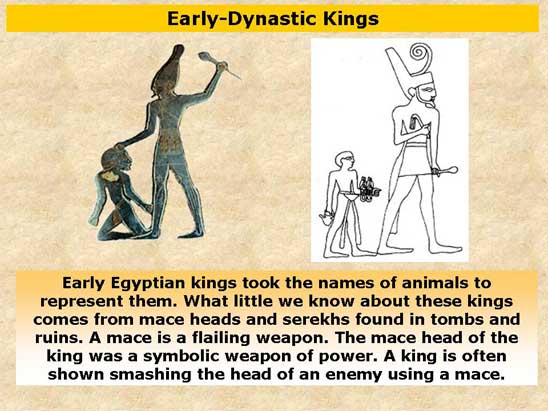
ANCIENT EGYPT
Topics include the development of Egyptian culture, religion, political systems, historical periods, influence of the Hyksos, and Ptolemys.

back to top |
|
|
|
|
|
|
 |
|
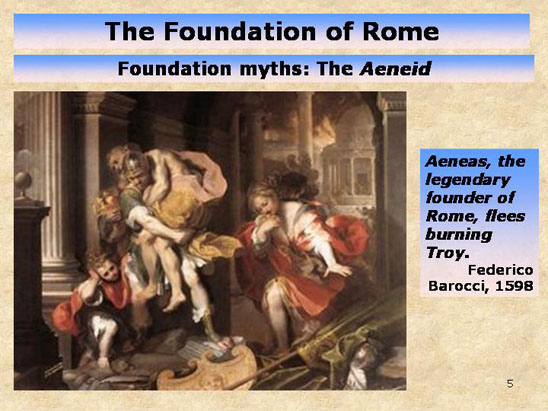
ANCIENT ROME
History of ancient Rome from its founding in the eight century BCE through the collapse of the western empire in 476 CE. Republic and Empire contrasted. Expansion of the Empire traced. Barbarian invasions discussed.

back to top |
|
|
|
|
 |
|
MEDIEVAL EUROPE
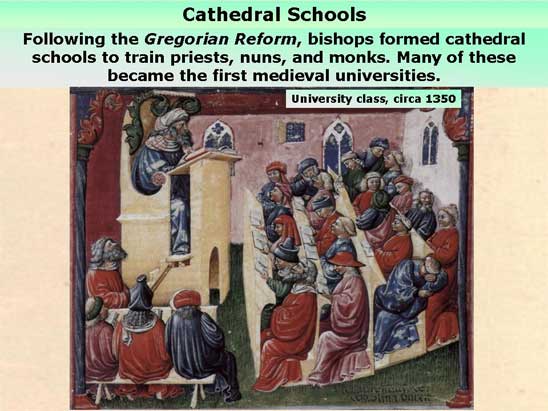
Beginning with a series of maps and a review of Constantine to Charlemagne, this presentation covers the Magyars, Vikings, Normans, Catholic Church, art, architecture, feudalism, Byzantine and Ottoman Empires, Crusades, and ends with the Black Death. It explores the rise of universities, science, philosophy, literature, warfare, the rise of city states, and the social consequences of the Black Death.

back to top |
|
|
|
 |
|
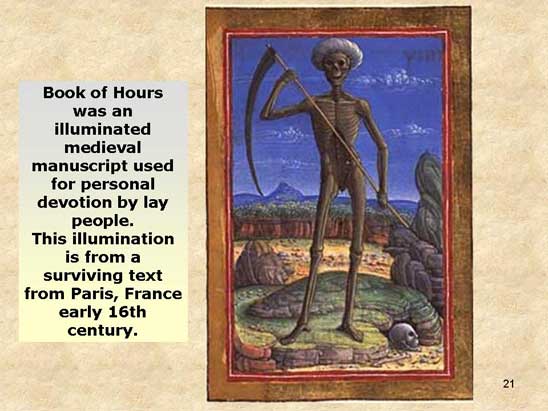
THE BLACK DEATH AND OTHER PANDEMICS
Begins with epidemics in the ancient world, origins of the Black Death, economic and social effects, plagues after the Black Death and a brief background of the science of plagues and mass epidemics.

back to top |
|
|
|
 |
|
INDIA and SOUTHEAST ASIA
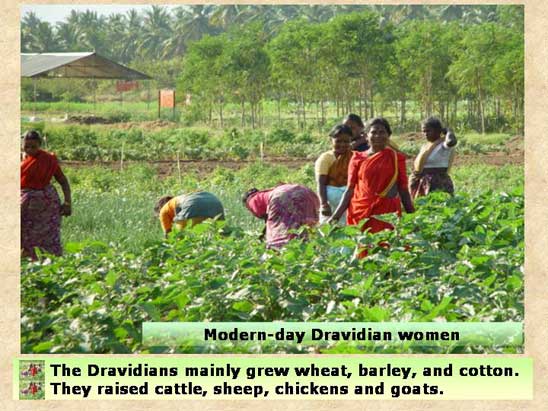
Starts with geographic background, Aryan conquests, Mauryan and Guptan empires, and the development and spread of Hinduism and Buddhism throughout Asia.

back to top |
|
|
|
 |
|
HISTORY OF AFRICA
Introduces geography of the continent, starts with ancient African civilizations, highlights major empires by region, and traces the slave trade through pan Africanism.

back to top |
|
|
|
|
|
|
 |
|
ISLAMIC CIVILIZATION
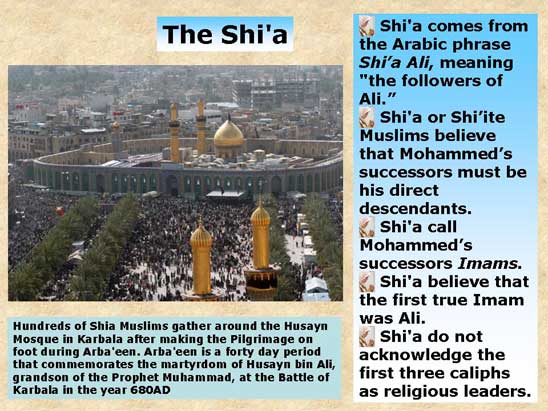
Covers the history of Islamic civilization beginning with pre-Islamic Arabia, includes Mohammed, factions, spread of Islam, crusades, Ottomans, North Africa and Persia and Islam today.

back to top |
|
|
|
|
|
|
 |
|
THE RENAISSANCE
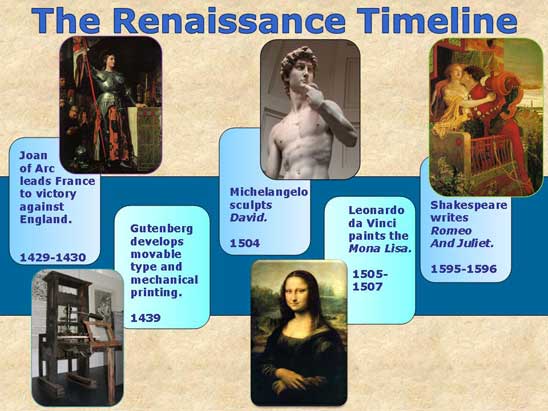
Begins with an overview of the movement including the origins, timeline of major events, and role of trade in city-states. Highlights major accomplishments in art, architecture, music, literature, and science. Discusses the diffusion of the Renaissance.

back to top |
|
|
|
 |
|
THE EARLY MODERN PERIOD
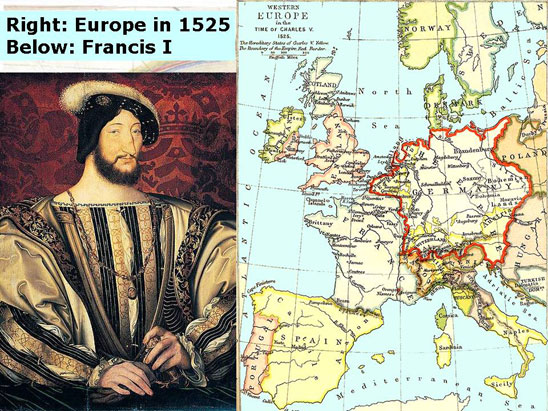
This PowerPoint covers European history from the 15th to the 18th centuries. It includes the major social changes and the many long, protracted conflicts such as the thirty Years' War. How governments transitioned from feudalism to constitutional monarchies is explored along with changes in Christianity marked by the Protestant Reformation. Conflicts with the Ottoman Empire as well as advances in science and global exploration are reviewed.

back to top |
|
|
|
 |
|
THE AGE OF EXPLORATION
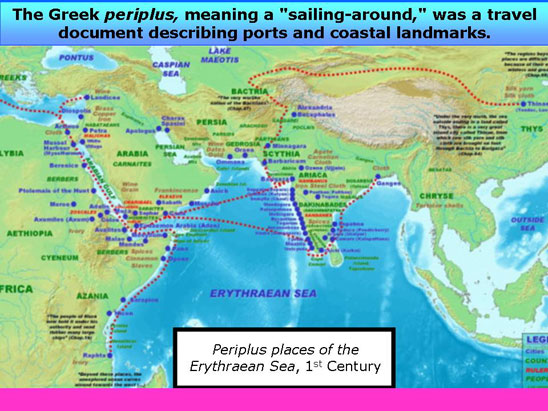
Beginning with a review of the ancient world's voyages of exploration and trade routes this PowerPoint covers the entire scope of European voyages of discovery. Extensive coverage of Portugal, Spain, Netherlands, England and France and Russia's contributions are examined. Separate sections on the technology and reasons for the voyages of explorations (spices etc) from the 15th to 18th centuries are also included.

back to top |
|
|
|
 |
|
HERNAN CORTES AND THE CONQUEST OF MEXICO
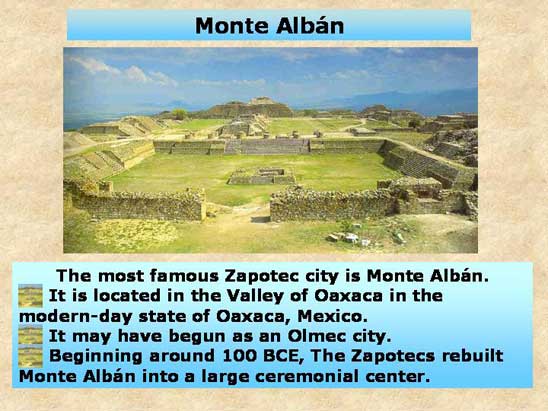
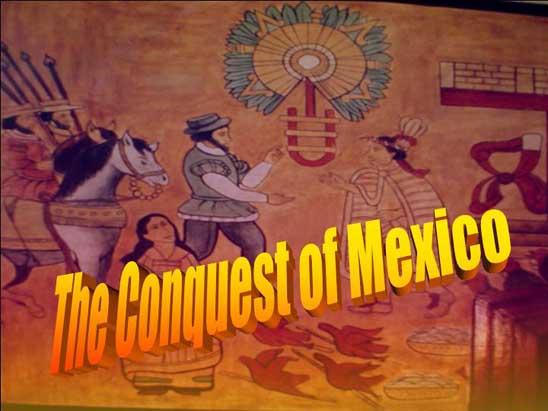
This presentation employs a variety of media and primary sources to take students back to 1519 and the epic collision between the Spanish and the Aztecs. The program traces the conflict from its origins to its dramatic conclusion and long-term aftermath.

back to top |
|
|
|
 |
|
THE
ENLIGHTENMENT
Begins with a brief review of various historical influences. Covers the major philosophical ideas including rationalism, secularism, progress, toleration, empiricism, natural rights, contractual government, and new theories of education; also discusses the diffusion of the ideas.

back to top |
|
|
|
 |
|
THE
INDUSTRIAL REVOLUTION
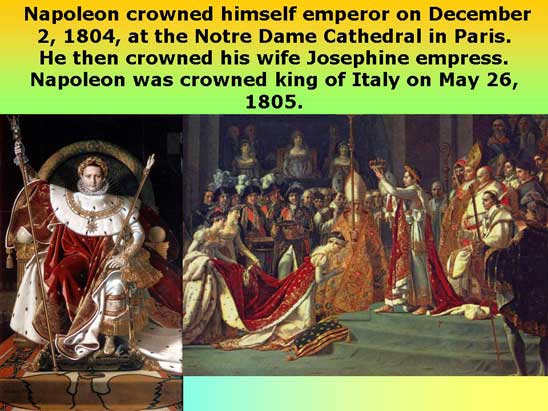
Opens with the Second Agricultural Revolution and conditions for change in England, and discusses the major innovations and inventions during the era including in iron, coal, transportation, and enterprise. Explores life for laborers, ideas of Victorian Era, and the music, literature and art of the period.

back to top |
|
|
|
|
|
|
 |
|
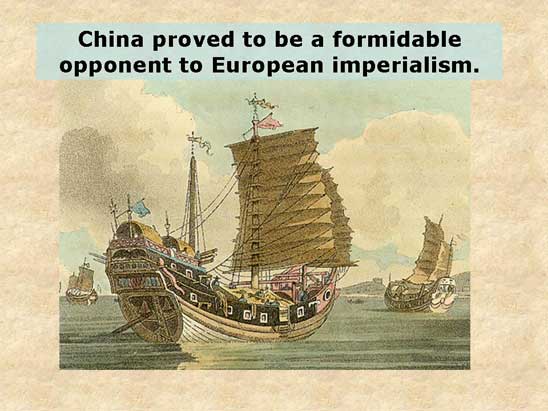
EUROPEAN IMPERIALISM: 1800-1914
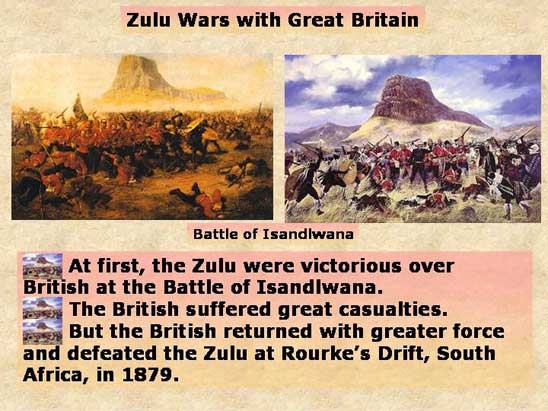
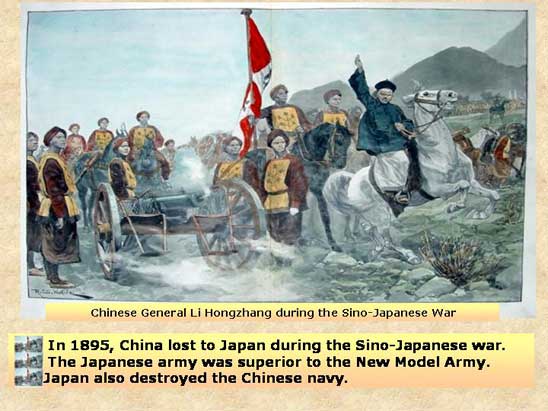
Topics include industrialization and technology, the partition of Africa, imperialism in India, Southeast and Southwest Asia, China, the East India Company, and the Boxer Rebellion.

back to top |
|
|
|
 |
|
EUROPEAN NATIONALISM: 1814-1848
Topics include the characteristics of 19th century European nationalism, the influence of the French Revolution on the spread of nationalism, the unification of Germany and Italy, and tensions in the Balkans.

back to top |
|
|
|
 |
|
WORLD
WAR I
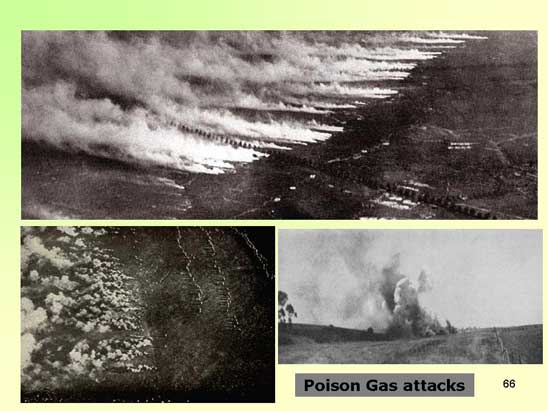
Reviews the major causes of the war and covers the major battles, new technologies, war in the air and at sea, Armenian genocide, life on the homefront, and ends with the Treaty of Versailles.

back to top |
|
|
|
 |
|
EUROPE BETWEEN THE WARS
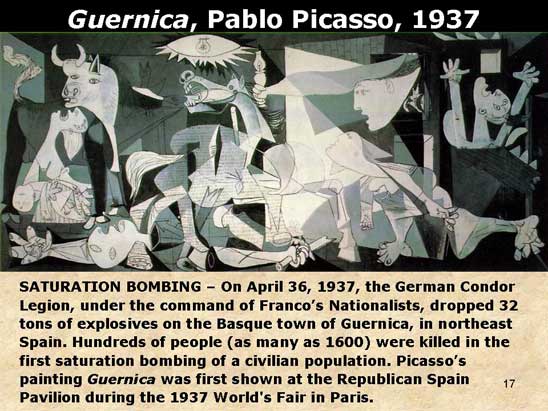
Topics include postwar rebuilding, the effects of the Great Depression, totalitarian governments, the Spanish Civil War, societal and cultural developments, and scientific and technological innovations.

back to top |
|
|
|
 |
|
WORLD WAR II
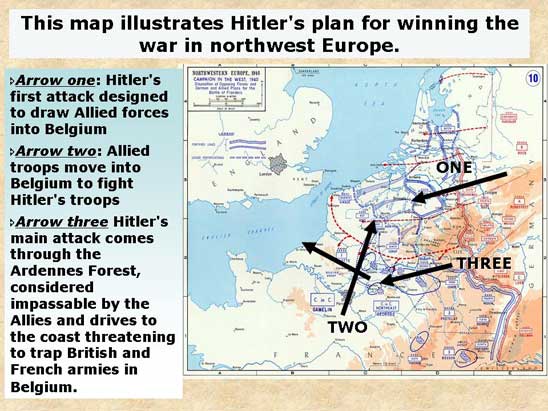
Explores the major causes of the war. This media rich presentation is organized by year, covering the major events during the seven years of the war. Discusses life on the homefront, contribution of women and minorities, and ends with the aftermath of the war.

back to top |
|
|
|
 |
|
The Modern Era: 1945-1970
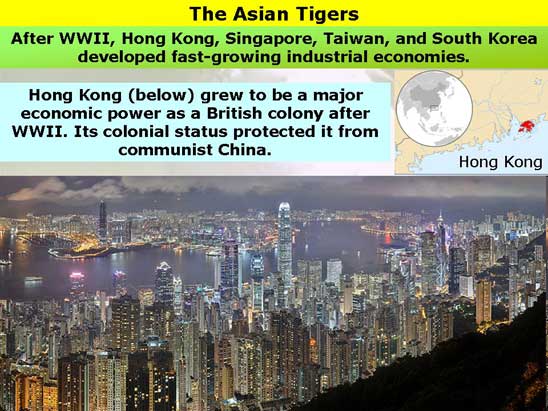
Beginning with postwar Europe and Asia, this presentation covers the Cold War and end of colonialism, the Arab-Israeli conflict, and the changes in population, art, science, and technology.

back to top |
|
|
|
 |
|
The Modern Era: 1971-2009
Begins with detente and the collapse of the Soviet Union. Other major topics covered include terrorism, environmental issues, globalism, social issues, science and technology. The regions of Asia, Africa, Latin America and the Middle East are highlighted.

back to top |
|
|
|
|
|
|
|
|
|
U.S. HISTORY PRESENTATIONS
|